Oral sex, particularly fellatio, was more common in ancient civilizations than many might assume, often woven into cultural, religious, and social practices across the globe. Some historical accounts suggest that women in various ancient societies engaged in oral sex, believing it could enhance their beauty and youthfulness, possibly due to the perceived health benefits of semen absorption or the spiritual significance of the act. This article explores the prevalence of oral sex in ancient times, provides evidence from various civilizations, and reserves space for images that depict these practices in ancient art.
Oral Sex in Ancient Civilizations
Ancient Egypt: A Sacred Act
In ancient Egypt, oral sex was not only practiced but also integrated into religious mythology. The myth of Isis and Osiris is a prominent example, where Isis is said to have performed oral sex on a clay phallus to resurrect Osiris, symbolizing life and renewal. This act was depicted in religious art, suggesting it held cultural significance. Some historians propose that Egyptian women may have viewed oral sex as a way to harness vitality, possibly associating semen with life-giving properties due to its role in fertility. The use of red lipstick by women to signal their willingness to engage in oral sex further indicates its cultural acceptance.
[Insert image of Egyptian artwork, such as a depiction from the Turin Erotic Papyrus or temple reliefs showing symbolic sexual acts, to illustrate the cultural integration of oral sex.]
Ancient Greece: A Complex Social Practice
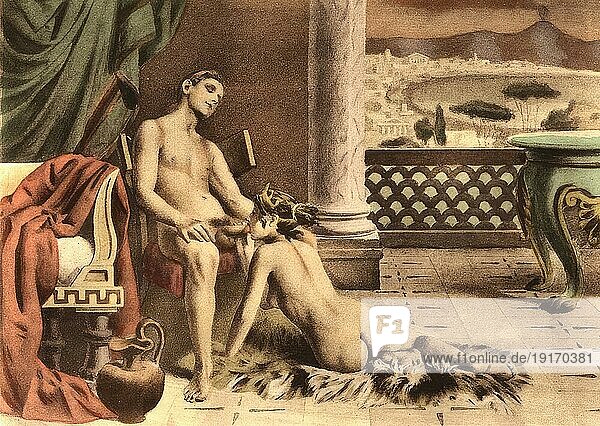
In ancient Greece, oral sex, particularly fellatio (referred to as “auparishtaka” in some texts), was documented in literature and art. The Kama Sutra, while Indian, influenced Greek perspectives through cultural exchanges, dedicating a chapter to oral sex techniques. However, Greek and Roman societies often viewed oral sex as degrading for the performer due to concerns about oral purity, especially in Rome. Despite this, erotic art, such as pottery and frescoes, frequently depicted oral sex, suggesting it was a known practice. Some Greek women may have engaged in it, possibly associating it with beauty rituals, as cosmetics and sexual practices were linked to enhancing feminine allure.
Ancient Rome: Erotic Art and Social Norms
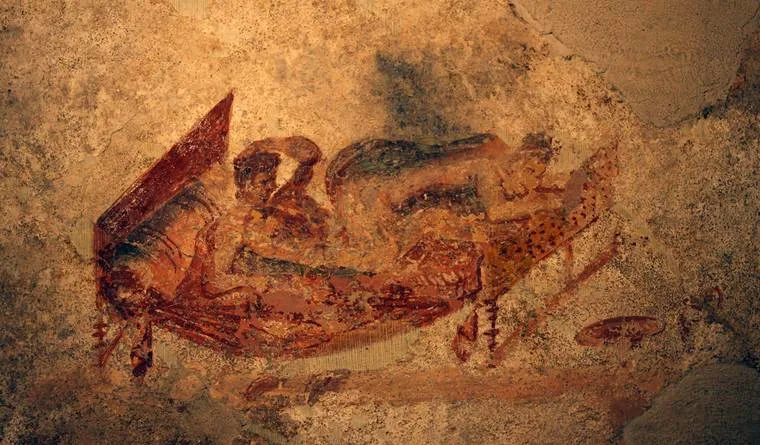
Roman culture was less puritanical about sexuality, and oral sex was depicted in art, such as the frescoes in Pompeii’s brothels and the Warren Cup, which show explicit sexual acts. While Roman invective poets like Catullus criticized oral sex as impure, its presence in public baths for comic effect and in private art suggests it was practiced. Women, particularly prostitutes, might have used oral sex as part of beauty rituals, aligning with the Roman emphasis on physical appearance and youth. The use of cosmetics by Roman women, inspired by Egyptian practices, supports the idea that sexual practices were tied to beauty standards.
Ancient India: The Kama Sutra and Spiritual Sexuality
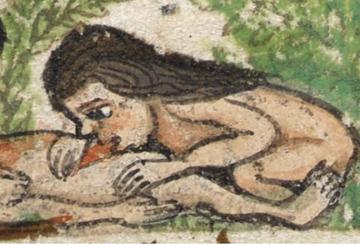
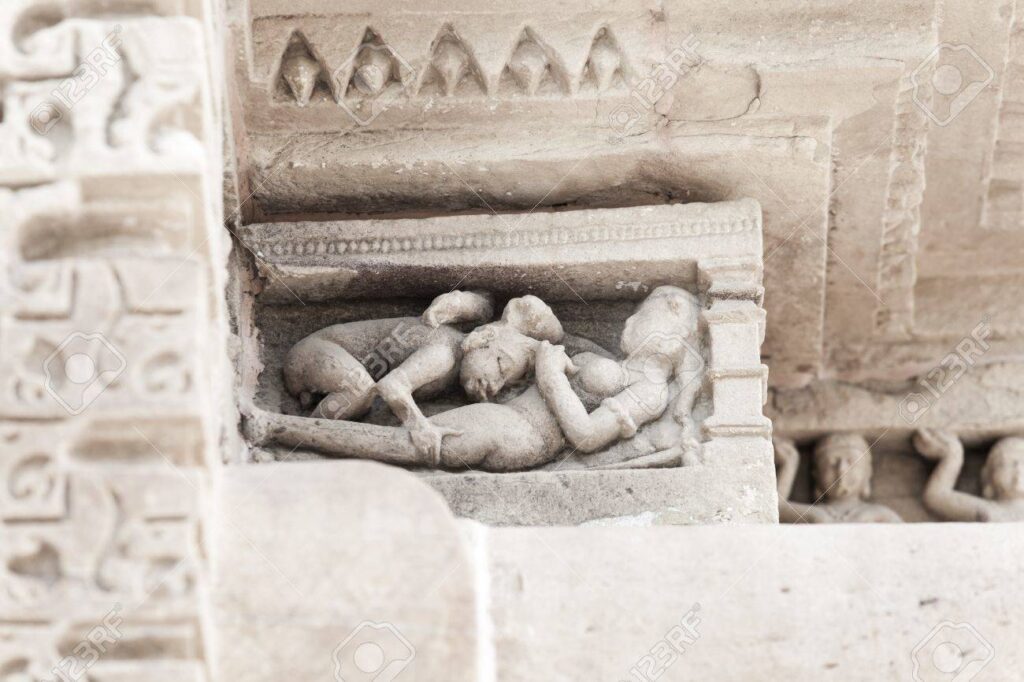
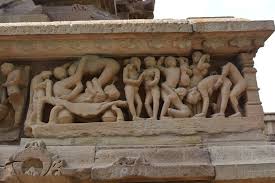
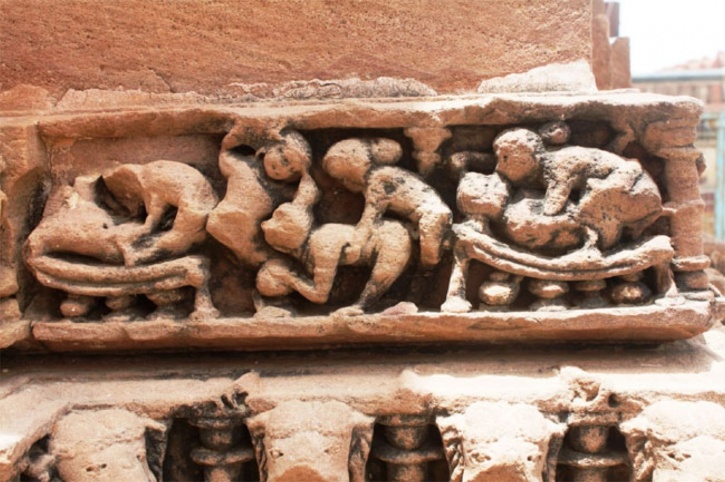
In ancient India, the Kama Sutra (written around the first few centuries CE) detailed oral sex practices, including eight specific techniques for fellatio. While some regions, like eastern India, considered oral sex unchaste, it was widely documented and practiced elsewhere. Women may have engaged in oral sex as part of tantric practices, which viewed sexuality as a path to spiritual and physical vitality. The worship of the vulva and phallus in some cults suggests a broader cultural acceptance of sexual acts for enhancing life force, potentially linked to beauty and youth.



Ancient China: Taoist Sexuality
In ancient China, Taoist traditions viewed sex as essential for spiritual and physical health, with no taboos around oral sex. Cunnilingus and fellatio were practiced to balance yin and yang energies, with men believed to gain vitality from women’s “yin energy” and women possibly absorbing male energy through semen. This belief may have led women to practice oral sex to maintain youth and beauty, as Taoist texts emphasized sexual practices for longevity. Erotic art and furniture designed for sexual activities further highlight the cultural acceptance of such practices.
Image Placeholder: Chinese Erotic Art
[Insert image of ancient Chinese erotic paintings or scrolls depicting sexual acts, including oral sex, from the Han or Tang dynasties.]
Moche Culture (Peru): Explicit Pottery
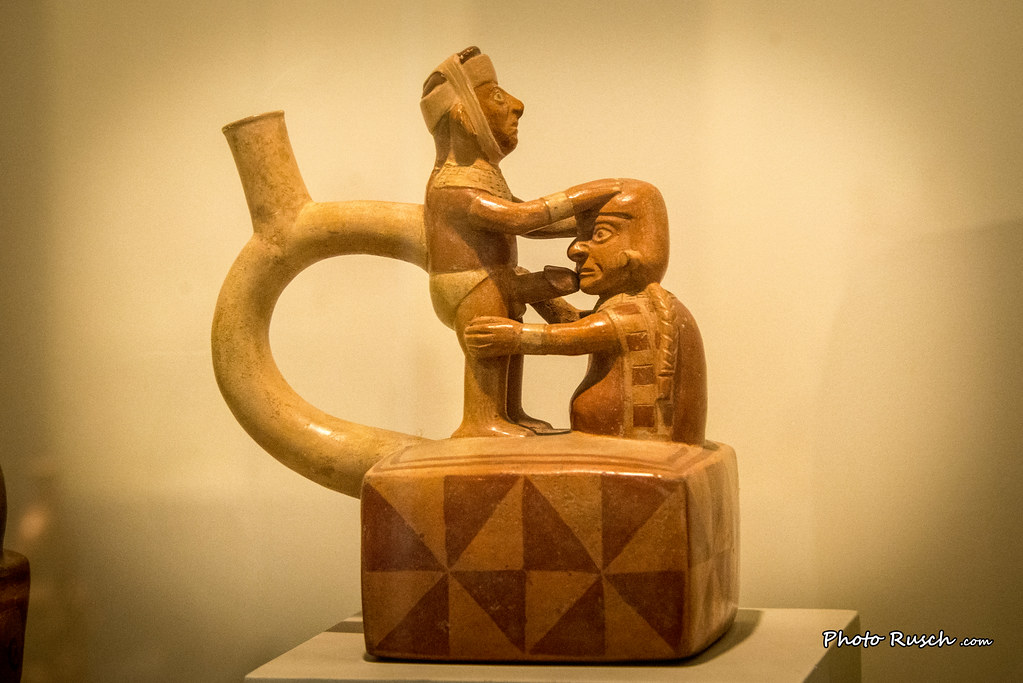
The Moche civilization (1–800 CE) in Peru is renowned for its explicit ceramic vessels, many of which depict oral sex alongside other sexual acts. These artifacts suggest that oral sex was a normalized part of Moche culture, possibly tied to fertility and vitality rituals. Women may have participated in these acts, believing they could enhance their health or beauty, as the Moche associated sexual imagery with life and abundance.
Image Placeholder: Moche Pottery
[Insert image of Moche ceramic vessels from the Larco Museum, Lima, showing oral sex scenes.]
The Beauty and Youth Connection
Across these civilizations, oral sex was sometimes linked to beauty and youth, particularly for women. The absorption of semen was thought to provide hormonal or spiritual benefits, possibly due to its association with life and fertility. In Egypt, the life-giving symbolism of semen in myths like Isis and Osiris may have inspired women to view oral sex as a way to harness vitality. In China, Taoist beliefs in energy exchange supported the idea that sexual acts, including oral sex, could rejuvenate the body. In Greece and Rome, where cosmetics and sexual allure were intertwined, women might have engaged in oral sex as part of broader beauty practices, influenced by cultural exchanges with Egypt and India. While direct evidence of women practicing oral sex specifically for beauty is limited, the prevalence of sexual imagery and the emphasis on youth in these societies suggest a cultural connection.
Global Prevalence
The practice of oral sex was widespread across ancient civilizations, from Egypt to Greece, Rome, India, China, and the Americas. While social norms varied—some cultures revered it, others stigmatized it—artifacts and texts confirm its commonality. The belief that oral sex could enhance women’s beauty and youth, while not universally documented, likely stemmed from the symbolic and physiological associations of semen with vitality and fertility, reinforced by cultural practices around cosmetics and health.
Conclusion
Oral sex was a common and culturally significant practice in ancient civilizations, often depicted in art and integrated into religious or social frameworks. While the idea that women used oral sex to maintain youth and beauty is speculative, it aligns with ancient beliefs about sexuality, vitality, and appearance. The artifacts left behind—Egyptian papyri, Greek pottery, Roman frescoes, Indian sculptures, Chinese scrolls, and Moche ceramics—provide compelling evidence of oral sex’s prevalence and its potential role in beauty rituals.
Disclaimer: The interpretations of ancient practices are based on historical artifacts and texts, but specific claims about beauty benefits lack definitive scientific evidence. Always approach historical sexual practices with an understanding of their cultural context and consult experts for health-related advice.