In ancient India, group sex was not only a common practice but also held significant cultural and spiritual importance, particularly in relation to health and longevity. Ancient texts and temple art reveal that such practices were celebrated as a means to enhance vitality, balance energies, and promote well-being, especially among women. However, in modern times, these practices have been stigmatized in India, often labeled as taboo, while some Western societies have begun to embrace more open attitudes toward sexual exploration. This shift may contribute to differences in health and physical appearance, with Indian women reportedly aging faster and Western women maintaining better health and physiques. This article explores the ancient Indian perspective on group sex, its decline, and its potential impact on health, with space reserved for historical images.
Group Sex in Ancient India
Cultural and Spiritual Significance
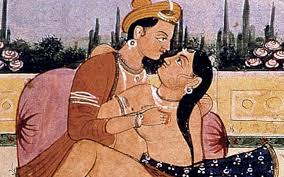
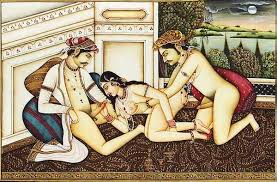
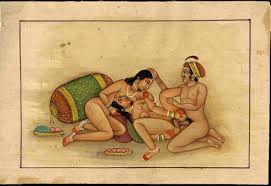
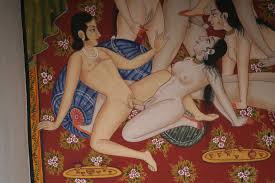
In ancient India, group sex was often integrated into spiritual and tantric practices, particularly within certain Hindu and Buddhist traditions. The Kama Sutra (circa 1st–4th century CE) and other texts, such as the Ananga Ranga, describe various sexual practices, including group activities, as ways to achieve physical, emotional, and spiritual harmony. Tantric traditions emphasized the balance of male (yang) and female (yin) energies, believing that group sex could amplify this exchange, leading to enhanced vitality and longevity. Women, in particular, were thought to benefit from absorbing the energies of multiple partners, which was believed to rejuvenate the body and maintain youthful beauty.
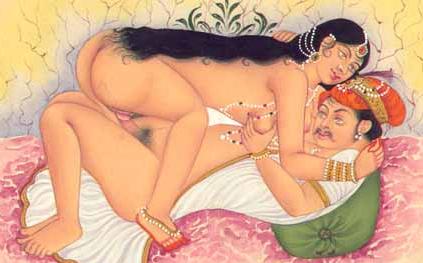
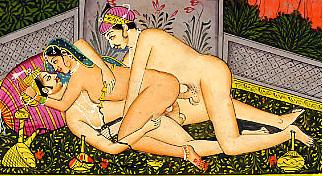
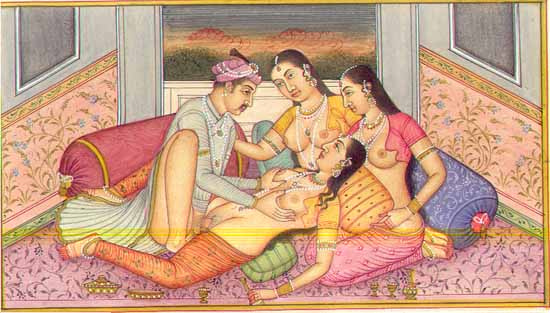
Evidence in Ancient Texts and Art
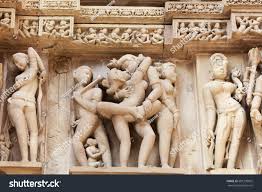
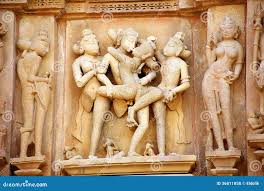
Ancient Indian literature and temple art provide ample evidence of group sex. The Kama Sutra dedicates sections to sexual techniques involving multiple partners, describing them as socially accepted in certain contexts. Temples like those in Khajuraho (10th–12th century CE) and Konark feature intricate carvings of group sexual activities, often portrayed as divine or celebratory acts. These depictions suggest that group sex was not only common but also revered as a path to spiritual and physical health. The absence of shame in these artworks indicates a cultural openness to sexual exploration that contrasts sharply with modern Indian attitudes.
Health and Longevity Benefits
Ancient Indians believed that group sex could enhance health and longevity in several ways:
- Hormonal Balance: The exchange of energies and bodily fluids during group sex was thought to regulate hormones, reduce stress, and promote vitality, particularly for women.
- Physical Fitness: Engaging in prolonged sexual activity with multiple partners was seen as a form of physical exercise, improving cardiovascular health and flexibility.
- Emotional Well-Being: The communal nature of group sex fostered social bonds and emotional satisfaction, which were believed to contribute to a youthful appearance and mental clarity.
- Spiritual Vitality: Tantric practices viewed group sex as a way to channel divine energy, enhancing life force and delaying aging.
These beliefs were rooted in the idea that sexual energy was a powerful tool for rejuvenation, with women especially benefiting from the vitality of multiple partners.
The Modern Taboo in India
Despite its historical prevalence, group sex has become a taboo subject in modern India, largely due to colonial influences and shifting social norms. During British rule (1858–1947), Victorian morality condemned open expressions of sexuality, leading to the suppression of traditional practices. Post-independence, conservative societal values further stigmatized group sex, associating it with immorality. This cultural shift has led to a decline in practices once believed to promote health and longevity, potentially impacting women’s physical and mental well-being. Some argue that this repression has contributed to Indian women aging faster and experiencing poorer health outcomes compared to their Western counterparts, who benefit from more open attitudes toward sexual exploration.
Western Adoption of Ancient Practices
In contrast, Western societies have increasingly embraced sexual liberation since the 20th century, with some communities adopting practices reminiscent of ancient Indian traditions. The rise of polyamory, open relationships, and sexual wellness movements in the West reflects a growing acceptance of group sexual activities. Western women, supported by access to sexual health education, fitness, and cosmetic advancements, often maintain better physiques and appear youthful for longer. The openness to sexual exploration, inspired partly by ancient practices like those in India, may contribute to these outcomes by reducing stress, enhancing hormonal balance, and promoting physical activity.
The Impact on Indian Women
The stigmatization of group sex in modern India may have unintended consequences for women’s health. The lack of open sexual expression could limit the hormonal and emotional benefits associated with ancient practices. Stress, societal pressure, and restricted access to sexual wellness resources may accelerate aging and affect physical appearance. Meanwhile, Western women, benefiting from a culture that increasingly embraces sexual freedom, may experience better health outcomes, including improved skin, energy levels, and overall vitality.
Reviving Ancient Wisdom
To reclaim the health benefits of ancient practices, India could revisit its cultural heritage with a modern lens, promoting sexual education and wellness while respecting individual choices. Encouraging open discussions about sexuality, inspired by the Kama Sutra and temple art, could help destigmatize practices like group sex and foster a holistic approach to health and longevity.
Image Placeholder: Ancient Indian Manuscripts
[Insert image of pages from the Kama Sutra or other ancient texts, illustrating descriptions of group sexual practices.]
Conclusion
Group sex was a significant part of ancient Indian culture, celebrated in texts and temple art as a means to achieve longevity, health, and beauty. Its decline in modern India, driven by colonial and conservative influences, has created a taboo that may limit women’s access to these historical benefits. Meanwhile, Western societies’ growing acceptance of sexual exploration may contribute to better health and physiques among women. By revisiting ancient wisdom and fostering open conversations, India could reconnect with its heritage to promote holistic well-being.
Disclaimer: The claims about health benefits and aging are speculative and based on historical interpretations. Consult healthcare professionals for advice on sexual health and wellness. Respect cultural sensitivities and prioritize consent in all sexual practices.